
Tax on Selling Land in Arizona
Start With the Parcel Facts
Tax on Selling Land in Arizona starts with one practical decision: whether the owner wants a public listing process or a private cash-offer review. Arizona land can be simple when access, title, taxes, and pricing are clear, but many parcels deserve a closer look before anyone signs paperwork.
Begin with the APN, county name, deed vesting, current tax status, and any maps or photos already on hand. Those details let a buyer or title company confirm the parcel record faster and avoid guessing about boundaries or ownership.
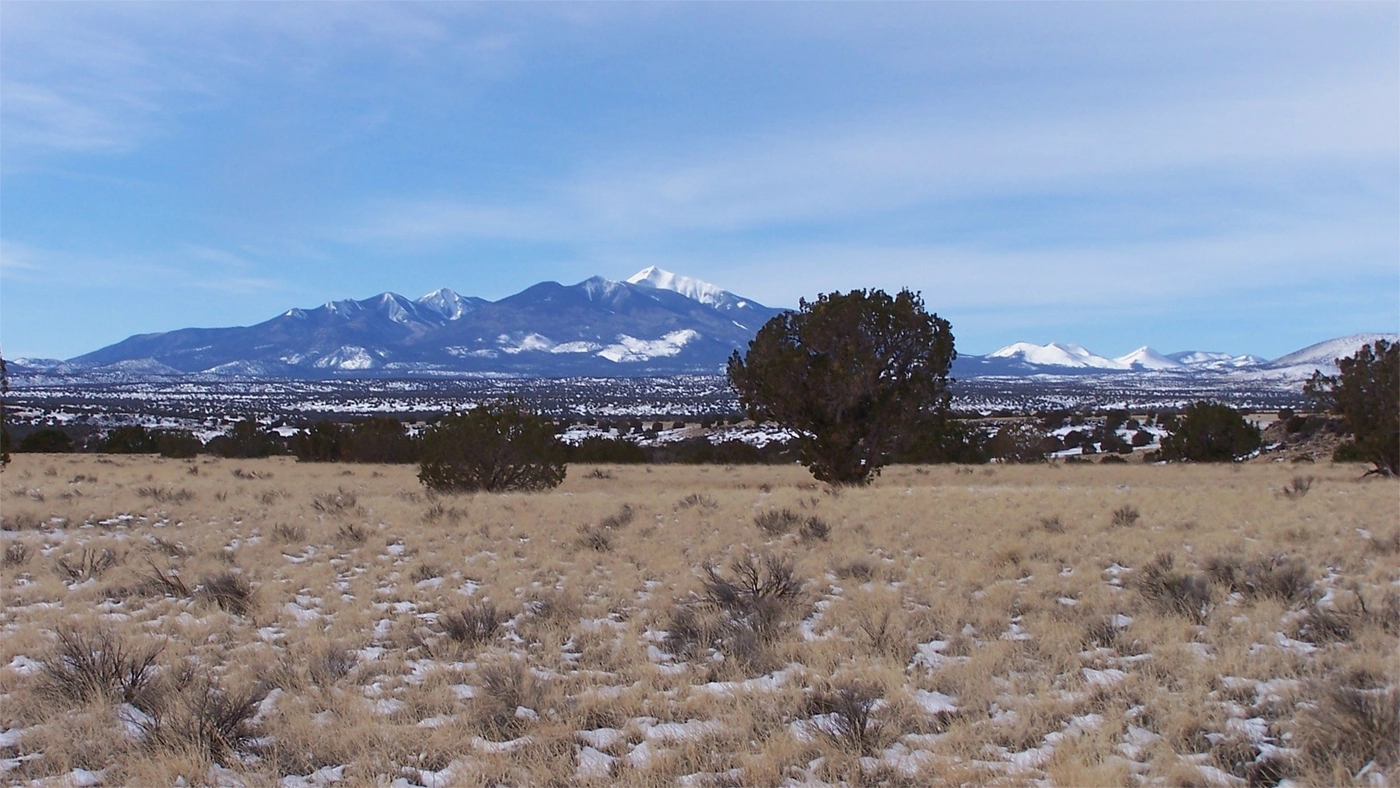
Location changes the conversation. A lot near Phoenix or Tucson may depend on growth corridors and utilities, while acreage in Mohave, Yavapai, Apache, Navajo, or Yuma County often turns on road access, terrain, water questions, and recreational demand.
A direct offer can be useful when speed, privacy, and a clean closing path matter more than testing the highest possible retail price. It reduces showings, commissions, lender delays, and repeated buyer questions.
Compare Your Selling Options
Before accepting terms, compare the net amount, closing costs, proof of funds, inspection window, title process, and what happens if a record issue appears. The best choice is the one that fits the property and the seller's timing.
Parcel records should be saved as screenshots or PDFs because county websites change and links expire. A small folder with the assessor page, tax bill, deed, and map gives everyone the same starting point.
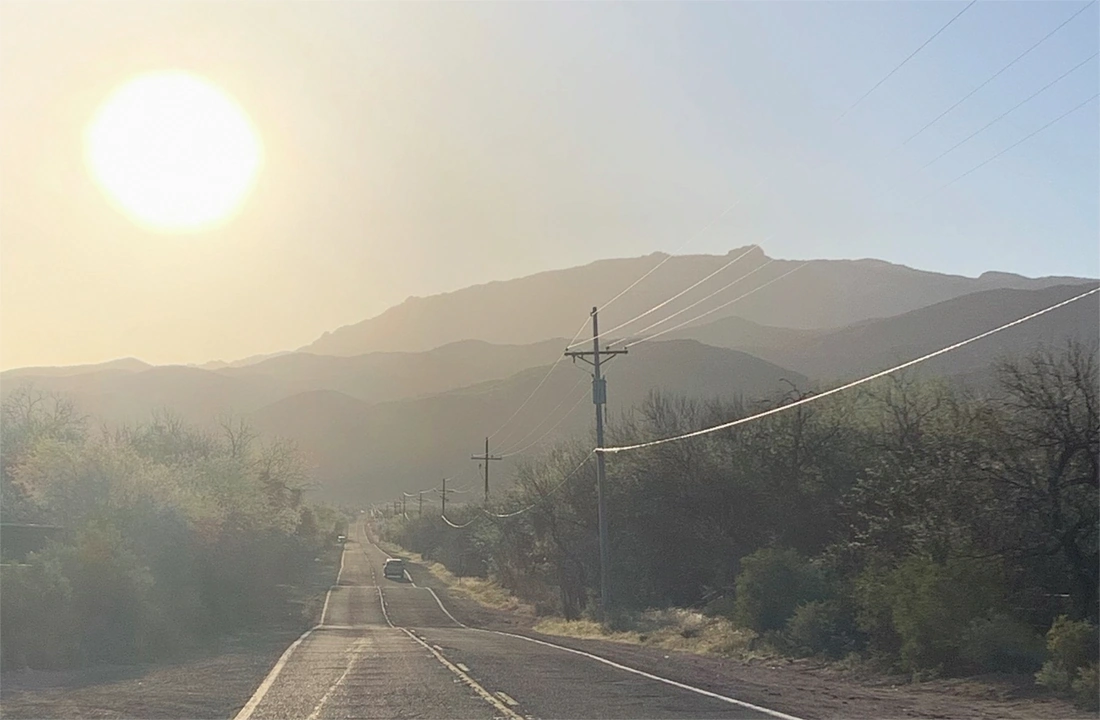
Access deserves its own note instead of a vague yes or no. Describe paved roads, dirt roads, gates, easements, seasonal washes, nearby public land, and whether a normal vehicle can reach the parcel.
Title questions are easier to solve when they are named early. Probate, LLC authority, old liens, missing signatures, divorce orders, and inherited ownership each require a different closing checklist.
Tax balances affect the final number because unpaid amounts usually need to be handled before or during escrow. Knowing the year, amount, and county status helps avoid a surprise near closing.
Prepare for Title and Closing
Photos and maps are not just marketing material. They show terrain, nearby roads, fencing, washes, debris, utility poles, and neighboring uses that may change how a cash buyer prices the risk.
Family-owned property works best when one person gathers questions from everyone before offer review. Clear communication reduces last-minute objections and helps heirs compare timelines calmly.
Out-of-state owners can often handle documents remotely once identity, vesting, and notary requirements are known. The key is confirming which signatures and mailing steps the title company needs.
Listing with an agent may still make sense for some parcels, especially if retail demand is strong. Compare the expected net after commissions, months of holding costs, and the chance of buyer financing falling apart.
Utility distance, zoning clues, and road maintenance matter even when the seller never planned to build. Buyers price those factors because the next owner will ask about them before committing money.

Next Step
A decision deadline helps prevent the parcel from drifting for another tax cycle. Set a date to choose between keeping it, listing it, requesting more offers, or moving forward with a title-company closing.
Closing communication should stay in writing once terms are chosen. Save the purchase agreement, title contacts, settlement estimate, requested documents, and any changes to the closing date.
A clean seller packet makes tax on selling land less stressful. With records, maps, ownership notes, and timing goals organized, the offer conversation becomes more factual and easier to compare.
Want a Direct Arizona Land Offer?
Send the APN and county for a no-obligation review. We will look at the parcel facts and explain the next step.